Monthly Compliance Deadlines
Running a business involves more than managing sales, customers, and growth. Businesses must also meet important tax and statutory obligations within the prescribed timelines. Keeping track of monthly compliance deadlines helps business owners complete their filings on time, avoid unnecessary penalties, and maintain smooth operations.
Missing a filing date can result in late fees, interest charges, and compliance issues. That is why maintaining a clear monthly compliance deadlines calendar is essential for every business, whether it is a startup, small enterprise, or established company.
At ASCESA Business Solutions, we support businesses across India with GST return filing, TDS payments, payroll compliance, and other statutory filing requirements. Our professional guidance helps businesses stay organised, meet their compliance obligations, and reduce the risk of missing important due dates.
Why Are Monthly Compliance Deadlines Important?
Following monthly compliance deadlines is essential for businesses to maintain accurate financial records, meet statutory obligations, and avoid unnecessary penalties. Keeping track of GST returns, TDS payments, EPF contributions, ESI payments, and other applicable filings helps businesses manage their responsibilities efficiently and maintain compliance with relevant regulations.
Missing monthly compliance deadlines can lead to late fees, interest charges, and other consequences, depending on the applicable laws and filing requirements. A well-planned compliance calendar allows business owners to prepare documents in advance, monitor upcoming due dates, and avoid last-minute filing errors.
Here are the key benefits of tracking monthly compliance deadlines:
- Avoid Penalties and Late Fees: Timely filing helps businesses minimise avoidable late fees, applicable interest, and other compliance-related consequences.
- Maintain Accurate Financial Records: Regular tax filings and reconciliations help keep accounting records organised and up to date.
- Ensure Timely Tax Payments: Tracking monthly compliance deadlines helps businesses plan GST payments, TDS deposits, and other applicable tax obligations.
- Manage Employee Compliance: Monitoring EPF, ESI, payroll deductions, and related obligations helps eligible businesses meet employee-related statutory requirements.
- Improve Financial Planning: A clear compliance schedule helps businesses anticipate tax payments and manage cash flow more effectively.
- Reduce Compliance Risks: Reviewing upcoming deadlines and maintaining supporting documents reduces the likelihood of missed filings and avoidable errors.
- Prepare for Audits and Assessments: Consistent record-keeping and timely submissions make it easier to respond to audits, notices, and regulatory reviews.
By reviewing monthly compliance deadlines regularly, businesses can establish a structured approach to tax management and statutory reporting. Maintaining a compliance calendar, setting advance reminders, and assigning filing responsibilities can make the entire process more manageable.
Businesses should also verify the latest official due dates and notifications because filing schedules may vary depending on the type of registration, business category, and applicable regulations. With proper planning and professional assistance, businesses can stay organised, maintain compliance, and focus on sustainable growth.
Key Areas to Track in Your Monthly Compliance Calendar
Maintaining a proper calendar of monthly compliance deadlines helps businesses stay organised and complete their tax payments and statutory filings on time. The compliance requirements may vary depending on the business structure, GST registration, employee strength, and applicable regulations. Tracking the following key areas can help businesses avoid missed due dates and manage their compliance responsibilities efficiently.
1. GST Return Filing: Monitor applicable GST return filing deadlines, including GSTR-1 and GSTR-3B. Check your filing frequency and registration category to ensure that returns and tax payments are completed within the prescribed timelines.
2. TDS Payments and Returns: Include TDS payment due dates in your monthly compliance schedule. Also, track quarterly TDS return filing deadlines to ensure that applicable tax deductions are deposited and reported correctly.
3. EPF and ESI Compliance: Eligible establishments should monitor EPF contributions, ESI payments, and related statutory requirements. Tracking these monthly compliance deadlines helps businesses manage employee benefits and meet their obligations under applicable regulations.
4. Payroll and Professional Tax: Review monthly payroll processing, salary deductions, and professional tax obligations where applicable. Businesses should follow the relevant state-specific rules and maintain accurate employee and payment records.
5. Other Statutory Filings: Depending on the company’s structure and regulatory requirements, additional company law filings, registrations, and periodic returns may apply. Include relevant due dates in your monthly compliance calendar to ensure that all applicable obligations are monitored.
Regularly reviewing monthly compliance deadlines allows business owners and finance teams to plan payments, organise documents, and assign filing responsibilities in advance. It is also important to verify official notifications for any changes to statutory due dates. A well-maintained compliance calendar helps businesses reduce errors, avoid unnecessary delays, and manage their regulatory responsibilities with greater confidence.
How to Manage Monthly Compliance Deadlines Effectively
Managing monthly compliance deadlines becomes easier when businesses maintain a centralised compliance calendar. Record each applicable filing, assign responsibilities to the relevant team members, and set reminders well before each due date. Keep invoices, bank statements, payroll records, and supporting documents organised to simplify the filing process.
It is also important to review official government notifications regularly, as monthly compliance deadlines and filing requirements may change. Since compliance obligations vary by business type, registration, and applicable regulations, ensure your calendar reflects your specific statutory requirements.
How ASCESA Business Solutions Can Help
At ASCESA Business Solutions, we help businesses manage their compliance responsibilities through professional support for GST return filing, TDS compliance, payroll-related obligations, and other applicable statutory filings.
Our team helps you organise your compliance schedule, prepare the necessary records, and monitor important due dates. With the right support, businesses can manage monthly compliance deadlines more efficiently, reduce avoidable errors, and focus on their day-to-day operations and long-term growth.
Staying compliant starts with proper planning. Maintain an updated compliance calendar, verify applicable due dates, and seek professional assistance when required to keep your business on track.
Your Monthly Compliance deadlines Calendar – Key Dates & What They Mean
7th of Every Month – TDS Payment
If you deduct TDS from vendors or employees, this is the deadline to deposit it with the government.
Why it matters: Delayed payments attract 1.5% interest per month plus penalties.
How Ascesa helps: We manage your TDS payment filing end-to-end so it’s always on time.
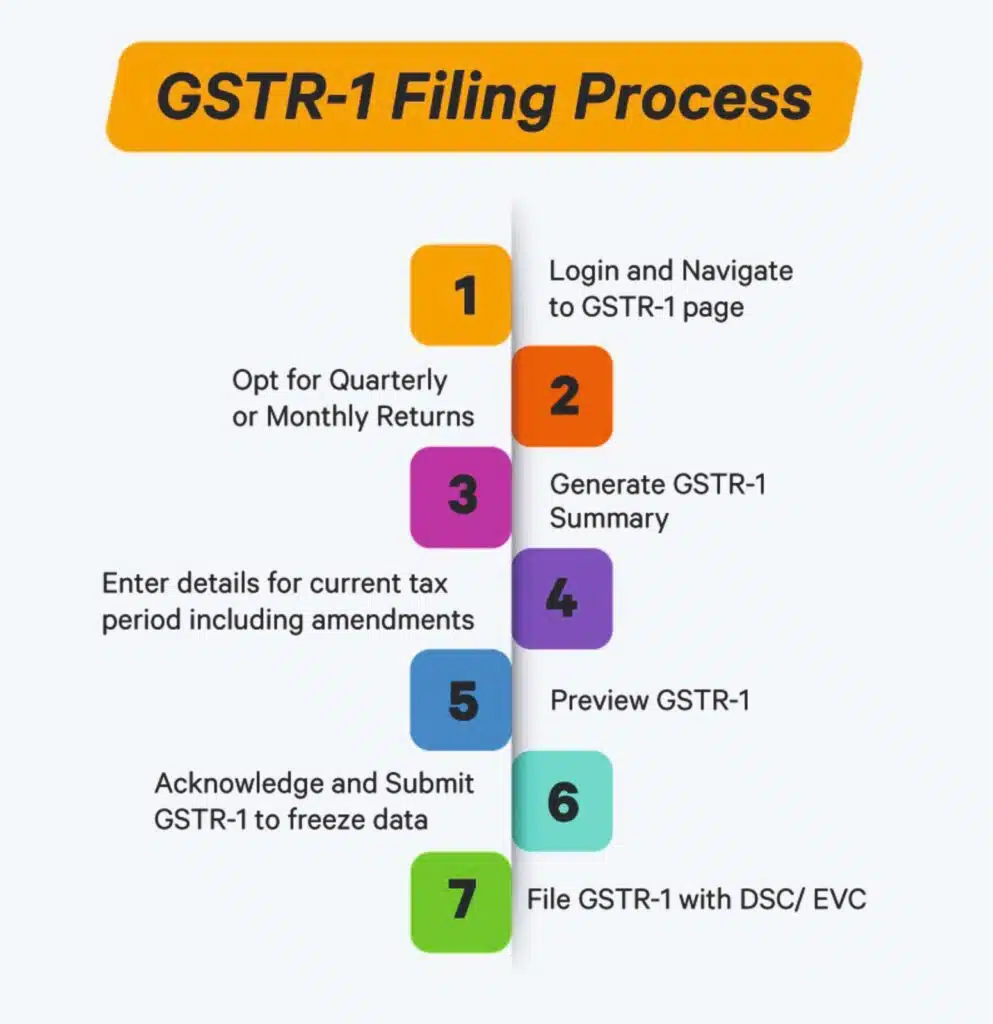
11th of Every Month – GSTR-1 Filing
A must for monthly GST filers — this return reports your outward supplies (sales).
Why it matters: Late filing can delay your customers’ Input Tax Credit (ITC) and harm relationships.
How Ascesa helps: Our GSTR-1 filing services ensure your returns are accurate and filed before the deadline.
13th of the Month – GSTR-1 Quarterly Filing (QRMP)
If you’ve opted for the QRMP scheme, this is when you file your quarterly sales details.
Why it matters: Keeps your GST records updated and buyers’ ITC flowing smoothly.
How Ascesa helps: We provide quarterly GST filing support so you can focus on running your business.
15th of Every Month – ESI Return & Payment
Covers contributions for employees’ medical and insurance benefits under the ESI scheme.
Why it matters: Late payments can affect your team’s benefit claims.
How Ascesa helps: Our payroll compliance services handle ESI, EPF, and PT filings seamlessly.
15th of Every Month – EPF Return & Payment
Secures employees’ future through provident fund contributions.
Why it matters: Compliance keeps you penalty-free and protects your workforce.
How Ascesa helps: We ensure your EPF contributions are paid and reported on time.
20th of Every Month – GSTR-3B Filing
A summary GST return where you declare liabilities and claim ITC.
Why it matters: Late filing leads to interest on GST due and penalties.
How Ascesa helps: Our GSTR-3B filing services are part of our complete GST compliance package.
20th of Every Month – PT Return & Payment
Applicable in certain states for businesses and professionals.
Why it matters: Non-compliance can lead to fines and licensing issues.
How Ascesa helps: We file your Professional Tax returns accurately and on time.
Why Partner with Ascesa for Compliance?
- All-in-one compliance management – GST, TDS, ESI, EPF, PT and more.
- No missed deadlines – We track every date and send proactive reminders.
- Accurate filings – Reduce errors and avoid costly penalties.
- Nationwide service – While based in Bangalore, we serve businesses all over India.
Stay Compliant Without the Stress
Managing monthly compliance deadlines doesn’t have to be stressful. Instead of tracking multiple due dates and worrying about missed filings, let ASCESA Business Solutions help you manage your business compliance requirements efficiently.
We help you stay organised with timely compliance support, so you can focus on what matters most — growing your business with confidence.
Frequently Asked Questions
1.What happens if I miss a GSTR-1 or GSTR-3B deadline?
You may face late fees (₹50 per day, ₹20 for nil returns) and interest. Your buyers might also face delays in claiming ITC.
2.Does Ascesa only handle GST returns?
No, we provide complete compliance services, including TDS, ESI, EPF, PT filings, and payroll-related compliance.
3.Can Ascesa handle both monthly and quarterly GST filings?
Yes, whether you’re a monthly filer or under the QRMP scheme, we can manage all your GST returns.
4.How do you make sure filings are never late?
Yes, whether you’re a monthly filer or under the QRMP scheme, we can manage all your GST returns.We track all statutory deadlines, keep your records updated, and file well before the due date.
5.Can I work with Ascesa if I’m not in Bangalore?
Absolutely. We serve clients all over India using online coordination and secure document sharing.
Conclusion
Keeping track of monthly compliance deadlines is essential for every business to avoid penalties, late fees, and unnecessary compliance issues. From GST return filing and TDS payments to EPF, ESI, and other statutory filings, maintaining an organised compliance schedule helps businesses meet their legal obligations on time. By planning ahead, maintaining accurate records, and following an updated compliance calendar, businesses can manage monthly compliance deadlines effectively and focus on sustainable growth.